CeNTI -
Energy Storage & Generation
MENTOR
Indoor Photovoltaics: Towards an Energy and Climate-Neutral World
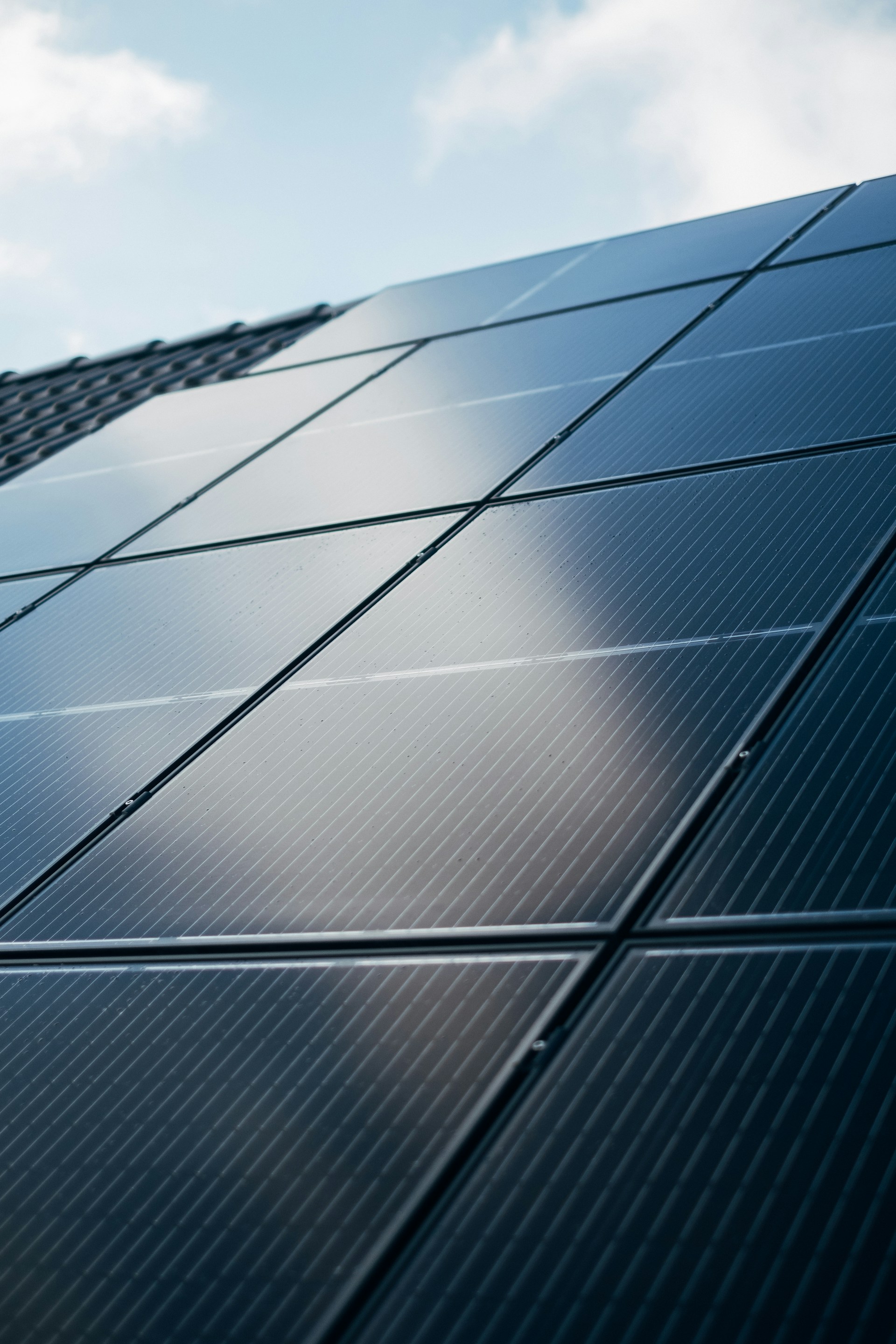
The MENTOR project aims to accelerate the development of next-generation indoor photovoltaic (IPV) technologies capable of efficiently harvesting artificial light to power low-energy electronic devices, contributing to a more energy- and climate-neutral future.
The project brings together an international and interdisciplinary network of universities, research centres and industrial partners to address key challenges associated with indoor photovoltaics, including sustainable material development, scalable manufacturing, device stability, recycling, modelling and performance optimisation under low-light conditions.
MENTOR focuses on the development of innovative organic, inorganic and perovskite-based IPV technologies using sustainable and industrially compatible approaches. Combining advanced modelling and characterisation methodologies with sustainable material development, industrial processing, recycling strategies and eco-friendly design solutions, the project aims to improve device scalability, stability, reliability and environmental performance under indoor operating conditions.
In parallel, MENTOR establishes an international, intersectoral and multidisciplinary doctoral training programme through the implementation of 16 individual doctoral research projects, fostering the development of highly qualified researchers in renewable energy, electronics and sustainable technologies.
Website: Mentor
Main Goals/Activities
|
The MENTOR project is structured into seven Work Packages (WPs) focused on the development of innovative indoor photovoltaic (IPV) technologies, sustainability, modelling, characterisation, advanced training and exploitation activities.
|
As part of the MENTOR project, CeNTI will also host short-term research secondments involving doctoral candidates participating in the project. |
With support of: